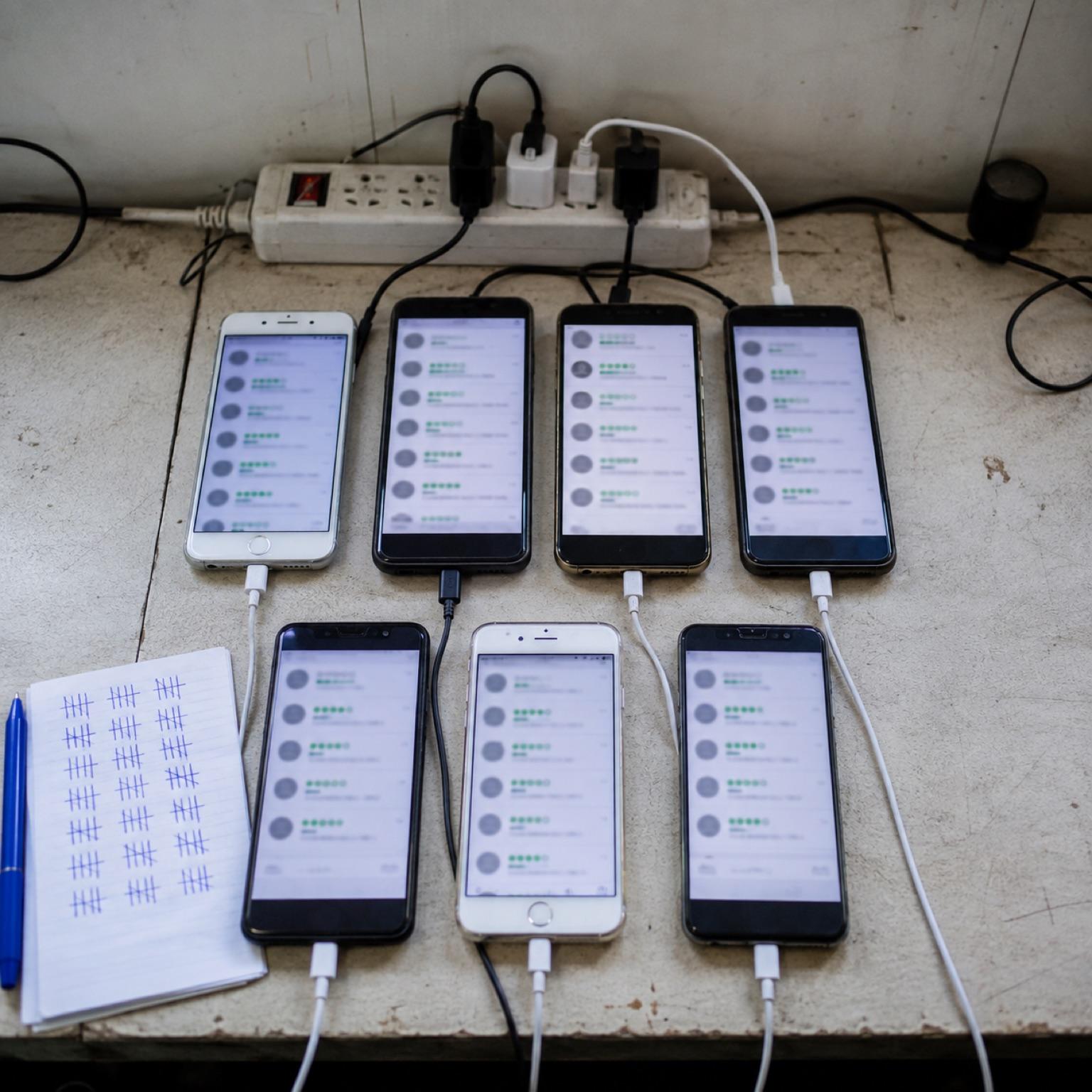
Trustpilot reports large-scale automated removals and has taken review brokers to court, yet the market persists. This is an adversarial enforcement problem: cheap identities, disposable infrastructure and strong commercial demand keep replacing sellers and accounts that disappear.
There is an uncomfortable contradiction at the centre of online reviews.
Trustpilot says fake feedback is prohibited, removes millions of reviews and has taken sellers to court. Yet a search still produces businesses claiming they can deliver Trustpilot ratings on demand.
Why has enforcement not ended the market?
First, Trustpilot Has Taken Action
Any fair answer must start here. Trustpilot reports removing 4.5 million fake reviews submitted during 2024, with most detected automatically. It uses account, device, network, content and behavioural signals, then adds human investigation and sanctions.
In November 2024, Trustpilot announced that it had won a High Court case against websites selling fake reviews. Its rules allow review removal, account restrictions and consumer warnings.
Those measures are meaningful. They have not made the market disappear.
The Economics Favour Replacement
A seller needs disposable accounts, generated text and a way to take payment. When one domain, social account or review network is removed, another can appear quickly under a new name.
Platforms carry the harder burden. They must stop coordinated fraud without rejecting genuine customers who share a network, travel, write briefly or create an account only to describe one important experience.
Detection that is too loose admits fakes. Detection that is too aggressive silences real reviewers.
Demand Keeps the Market Alive
Review sellers exist because businesses buy from them. An empty profile, an aggressive competitor or pressure to hit a rating target can make a quick package attractive.
The broker advertises certainty while transferring nearly all the risk to the buyer. If reviews disappear or the profile receives a warning, the seller can abandon the account. The business cannot abandon its name so easily.
Independent Investigations Matter
Which? demonstrated that brokers could place fake reviews on platforms including Trustpilot. That does not prove every seller currently advertising can deliver, but it shows the trade is more than empty search-engine spam.
Italy's competition authority later found shortcomings in Trustpilot's authenticity checks, including reviews described as verified, and imposed a €4 million fine in 2026. Trustpilot disputes the finding and is appealing.
The evidence therefore supports saying controls have gaps. It does not support alleging that Trustpilot or its employees operate the review-selling market.
Rated Stores
Build a reputation customers actually trust.
Collect, verify and showcase genuine reviews — start free, no card required.
Get Started Free →Why Legal Action Alone Cannot Solve It
Court orders can close named services, disrupt payments and deter visible operators. They are slower and more expensive than creating new domains and identities.
Effective enforcement needs several layers:
- Detect coordinated reviewer networks, not only suspicious wording.
- Share intelligence between review platforms and payment providers.
- Penalise businesses that commission the reviews as well as brokers.
- Explain verification labels narrowly and accurately.
- Make warnings and score corrections visible to consumers.
- Give genuine reviewers a workable appeal route.
What Continued Availability Really Means
The existence of sellers is evidence of attempted abuse and incomplete enforcement. It is not, by itself, evidence of complicity.
The sharper question for any review platform is whether it measures success only by removals or also explains estimated exposure, false positives, repeat offenders and what consumers should infer from its labels.
Final Thoughts
Fake Trustpilot reviews remain for sale because the rewards are immediate and the infrastructure is disposable. Trustpilot is fighting that market, but enforcement statistics and court cases do not mean the system is solved.
Businesses should stop funding the trade. Platforms should make the remaining risk easier for consumers to understand.
Explore more:
Keep reading

The €4 Million Trustpilot Fine: What Businesses and Shoppers Should Know
Italy's competition authority fined Trustpilot over review authenticity, representativeness and transparency. Trustpilot is appealing.
Read article →
Review Gating Explained: Why Businesses Should Avoid It
Learn what review gating looks like, why it creates a misleading rating, and how to collect feedback fairly instead.
Read article →
Should I Buy Trustpilot Reviews? The Legal and Commercial Risks
Buying Trustpilot reviews can trigger legal, platform and reputational consequences. Here is what businesses should do instead.
Read article →