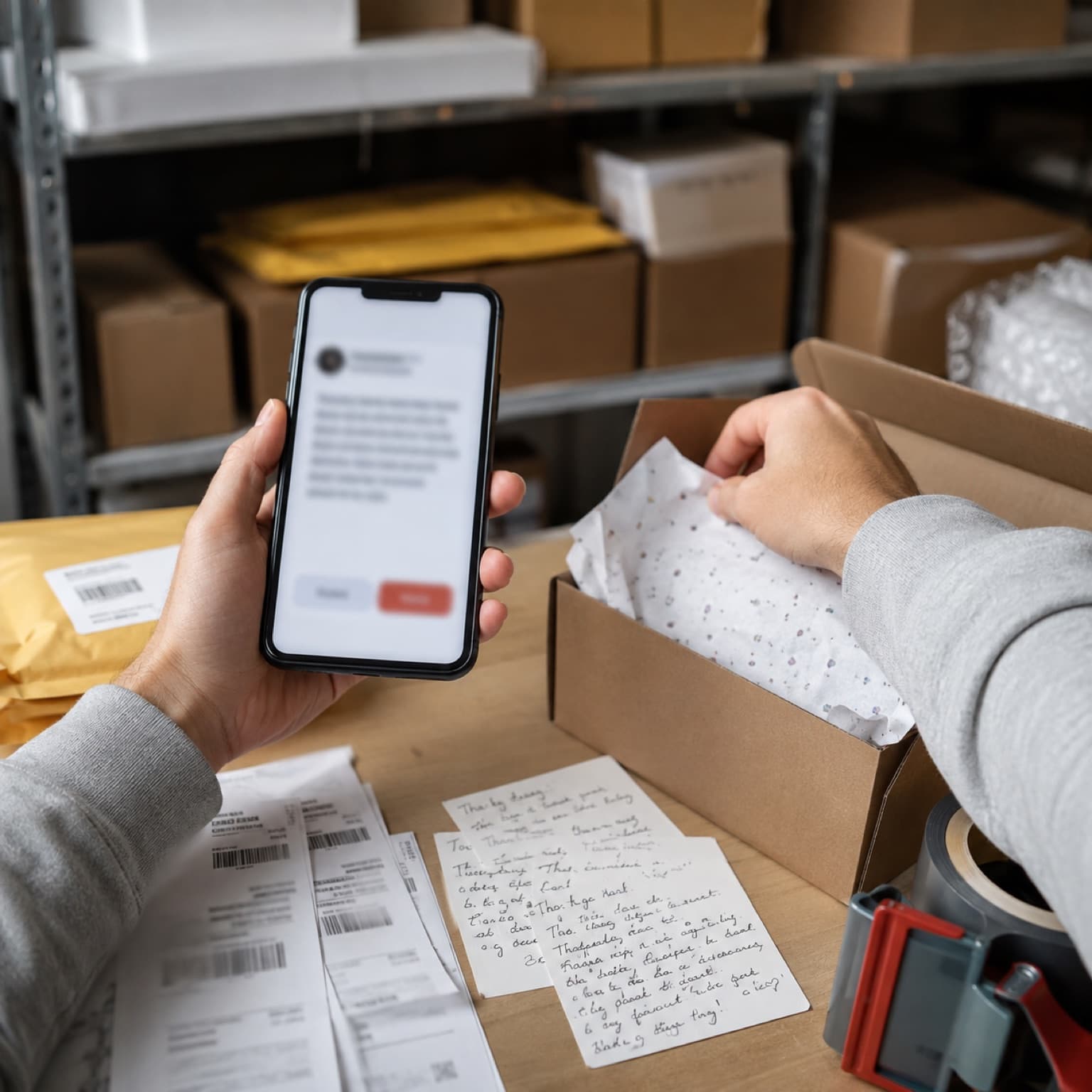
A package of five-star Trustpilot reviews may look like a quick solution to an empty or damaged profile. It creates legal exposure, leaves detectable patterns and puts the entire reputation at risk. There is no safe version of buying customer experiences that never happened.
Search for help improving a Trustpilot score and you will quickly encounter sellers promising five-star reviews, gradual delivery and accounts that supposedly look real.
The sales pitch is simple: competitors are probably doing it, detection is unlikely and a higher score will pay for itself.
The correct answer is still no.
Buying Reviews Is Not Marketing
A paid review describes an experience that did not happen or hides the fact that the opinion was rewarded. It is designed to influence shoppers while concealing information they would consider important.
That makes it fundamentally different from paying to promote a genuine testimonial with clear permission and disclosure.
The UK Legal Position
Since April 2025, the UK's Digital Markets, Competition and Consumers Act regime has treated submitting, commissioning and publishing fake reviews—and concealing incentivised reviews—as banned practices.
The Competition and Markets Authority's fake-review guidance applies across the review supply chain. A business cannot outsource the conduct to a broker and assume the broker carries all the risk.
This article is general information, not legal advice. If fake reviews have already been commissioned, obtain appropriate professional advice rather than trying to hide the trail.
Trustpilot Prohibits the Practice
Trustpilot's guidelines prohibit asking for fake reviews, selective positive invitations and incentives connected with writing or editing feedback. Its enforcement options include removals, account restrictions and visible consumer warnings.
Trustpilot says it removed 4.5 million fake reviews submitted in 2024. Review sellers may promise they understand the filters, but they cannot promise what later detection, linked accounts or an investigation will reveal.
Purchased Reviews Leave Patterns
Fake reviews often arrive with signals that become clearer together:
- New accounts with little meaningful history
- Repeated sentence structures or product claims
- Ratings arriving in an unnatural burst
- Reviewer locations unrelated to the customer base
- Praise that avoids specific details of the service
- Similar activity across businesses using the same broker
A batch that survives today can still be removed later as detection models and network evidence improve.
Rated Stores
Build a reputation customers actually trust.
Collect, verify and showcase genuine reviews — start free, no card required.
Get Started Free →The Commercial Damage Lasts Longer
Removed reviews can erase the artificial score overnight. A public warning can be worse than the original low rating because it tells shoppers the business attempted to manipulate them.
There is also the human cost: honest customers and staff are being asked to participate in a profile where fabricated voices carry the same weight as real experiences.
What to Do Instead
Build a neutral, repeatable process:
- Invite every eligible customer after a genuine purchase or service.
- Ask for an honest review, never a five-star review.
- Make the link easy to use on mobile.
- Send one respectful reminder.
- Respond to criticism and fix recurring problems.
- Display verified feedback where buyers need reassurance.
If the current rating is poor, improvement will take longer than buying a package. It will also be real.
Final Thoughts
Do not buy Trustpilot reviews. The legal and platform risks are clear, the deception can be detected later, and the apparent shortcut undermines the very trust the score is meant to create.
Spend the money on customer experience, honest collection and resolving the reasons customers hesitate to recommend you.
Explore more:
Keep reading
How to Respond to a Fake Review of Your Business
A calm, practical process for documenting, reporting and publicly responding to a review you believe is fake.
Read article →
Your Rights as a Reviewer: Online Reviews and UK Consumer Law
What UK law says about fake reviews, your right to leave honest feedback, and what businesses can and cannot do about your review.
Read article →
How to Choose the Right Review Platform for Your Business in 2026
A practical buyer's guide to picking a review platform — the questions to ask, the features that matter, and the pitfalls to avoid.
Read article →