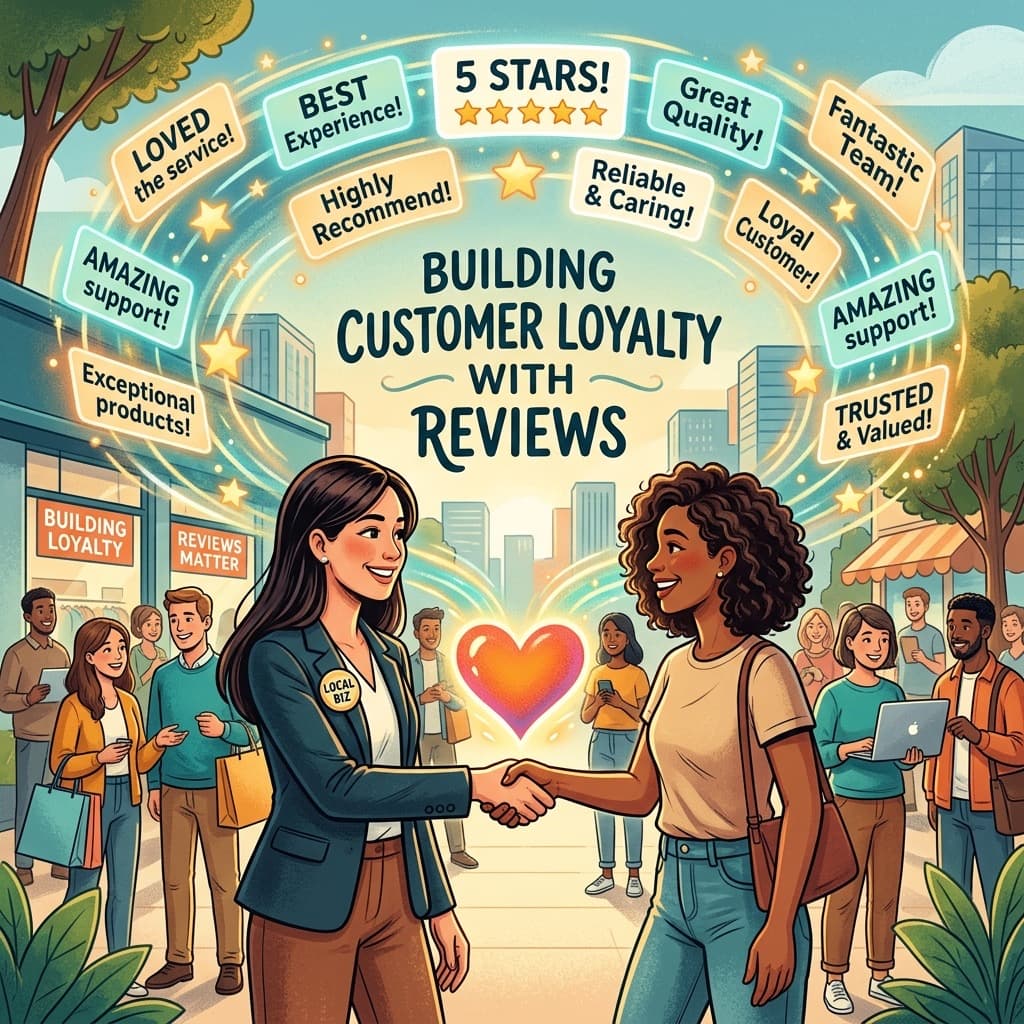
Most advice treats reviews purely as a tool for acquiring new customers. But the review process — asking, listening, responding, acting — is also one of the most effective retention tools a business has. This guide shows how to use reviews to keep customers, not just attract them.
Reviews are nearly always sold as an acquisition tool: collect feedback, display it, win new customers. That is true — but it is only half the value.
The same review process, used well, is one of the most powerful retention tools your business has.
Asking for a Review Is Itself a Loyalty Act
When you invite a customer to leave a review, you are doing more than gathering feedback. You are telling them: your experience matters to us, and we want to hear it.
That small signal of being valued makes customers more likely to come back — regardless of what they end up writing. A customer who is asked for their opinion feels like a participant, not just a transaction.
The key is asking everyone, at the right moment, in the easiest possible way — exactly the process described in our guide to collecting more customer reviews.
Responding Turns Feedback Into a Relationship
A review is the start of a conversation. When you reply — thanking a happy customer, or addressing an unhappy one — you turn a one-way rating into a two-way relationship.
For positive reviews, a genuine reply deepens an already-good relationship and nudges a satisfied customer toward becoming a repeat one. For negative reviews, a thoughtful response is your single best chance to keep a customer who was about to leave. We cover the how-to in why every business should respond to its reviews.
Acting on Feedback Fixes What Drives Customers Away
Customers rarely leave because of one dramatic failure. They drift away because of repeated small frustrations — slow delivery, confusing returns, hard-to-reach support.
Your reviews are a map of exactly those frustrations. Patterns in your feedback point straight at the things quietly costing you loyal customers. Fix the recurring complaints and you stop the leak. This is the constructive side of why negative reviews are good for business — criticism is a retention roadmap.
Rated Stores
Build a reputation customers actually trust.
Collect, verify and showcase genuine reviews — start free, no card required.
Get Started Free →Recovering a Customer Builds Stronger Loyalty
There is a well-known pattern in customer service: a customer whose problem was resolved quickly and well often becomes more loyal than one who never had a problem at all.
A negative review handled gracefully is one of the clearest opportunities to trigger that effect. You get a public, visible chance to prove your service is excellent when it matters most. Some customers will even update their review to reflect it.
Loyalty Compounds Into Reputation
Loyal customers do not just buy again — they leave more reviews, refer friends, and become the steady backbone of your verified-review profile. Retention and reputation feed each other.
Over time, this is what reputation management really is: not a one-off campaign, but a habit of listening and responding. Our small business reputation management guide builds this into a practical routine.
Make It One Connected Process
The acquisition and retention sides of reviews work best when they run through one system. With Rated Stores, collecting reviews, responding to them, and spotting patterns all happen in one dashboard — so the loyalty benefits come automatically alongside the new-customer ones.
Explore the platform for merchants or sign up free to get started.
Final Thoughts
Reviews do win new customers. But the same process — asking, listening, responding, acting — quietly keeps the customers you already have.
Treat your review process as a loyalty programme, not just a marketing channel, and you get both halves of the value.
Explore more:
Keep reading

How to Choose the Right Review Platform for Your Business in 2026
A practical buyer's guide to picking a review platform — the questions to ask, the features that matter, and the pitfalls to avoid.
Read article →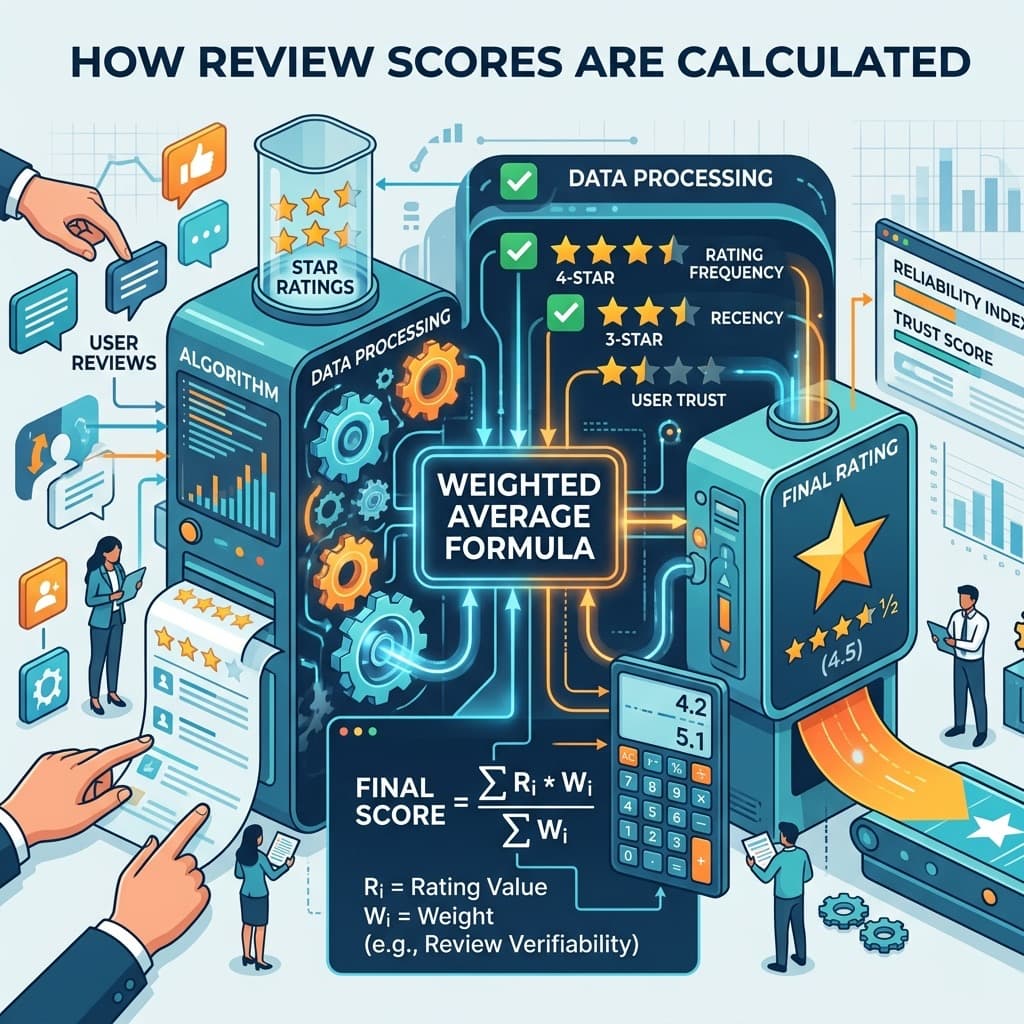
How Review Scores Are Calculated — and Why the Method Matters
A simple average isn't always a fair rating. Here is how review scores are calculated, what makes a method fair, and how to read a score properly.
Read article →Why We'll Never Cap Widget Views
Most widget providers meter your traffic and switch your widget off when you hit a monthly view limit. Here's why Rated Stores made unlimited views a permanent guarantee — and how the industry ended up billing you for being popular.
Read article →