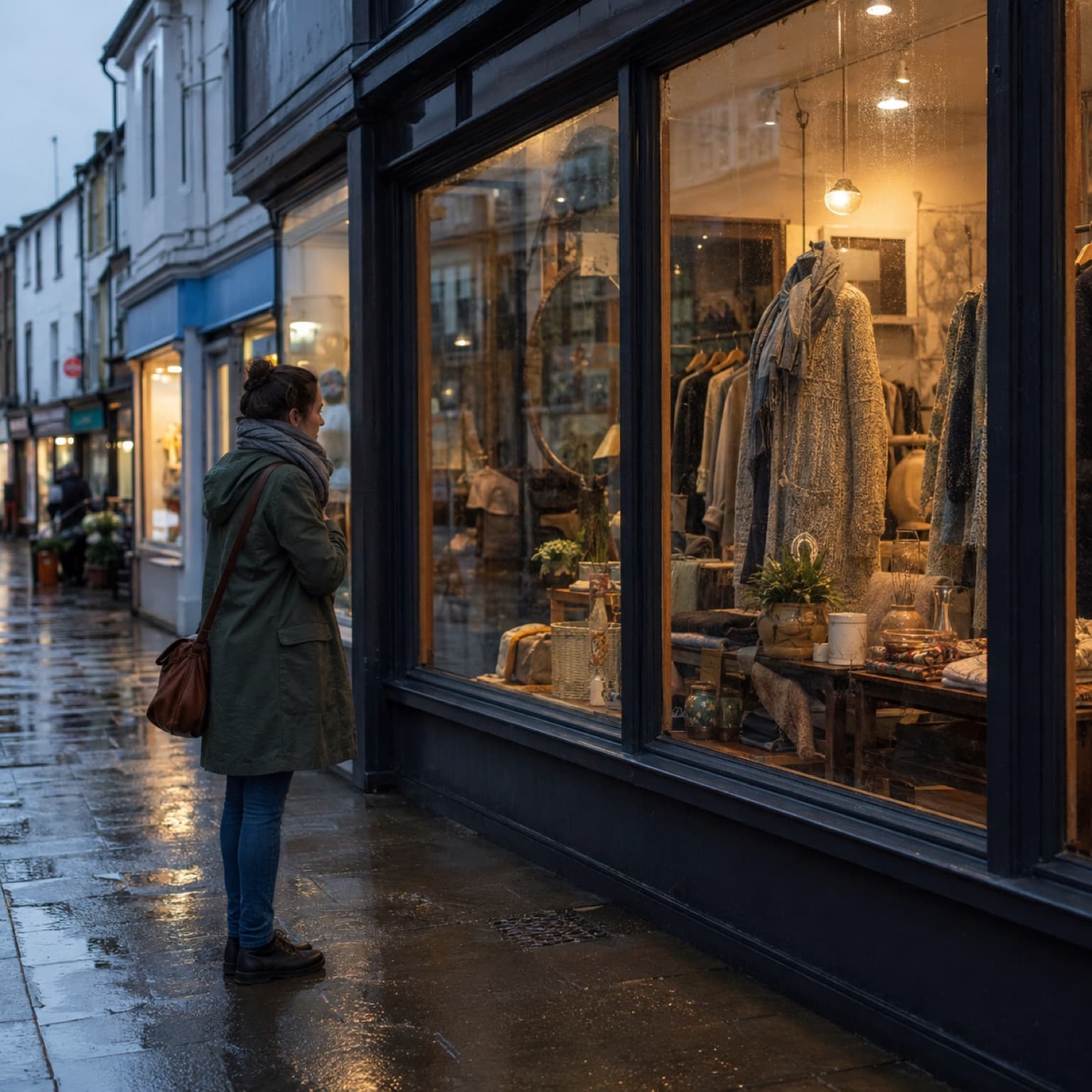
Before handing over your card details to an unfamiliar online shop, a few minutes of research can save you a lot of trouble. This checklist shows you exactly what to look for — and what red flags should make you walk away.
The internet makes it easy to buy from anyone, anywhere — which also makes it easy to buy from the wrong business. A few minutes of checking before you pay can save you money, stress, and a lost parcel.
Here is a practical checklist for sizing up an unfamiliar company.
1. Look for a Body of Reviews
A single review tells you almost nothing. What you want is a pattern:
- Volume — enough reviews that a few outliers don't distort the picture.
- Recency — reviews from the last few months, not just a flurry from two years ago.
- Range — a realistic spread of ratings. A business with hundreds of reviews and not one below five stars should make you suspicious, not reassured.
You can look up a company and read its full review history in the Rated Stores company directory.
2. Read How the Business Responds
Reviews are only half the story — the replies are the other half. A business that responds calmly and constructively to criticism is showing you how it will treat you if something goes wrong. Silence, or defensive arguing, is a warning sign. We explore this from the business side in why every business should respond to its reviews.
3. Check the Verified Reviews
Not all reviews are equal. A verified review is tied to a genuine, confirmed purchase, which makes it far harder to fake. Where a platform marks verified reviews, weight those most heavily. The difference is explained fully in verified reviews vs unverified.
4. Watch for Fake-Review Red Flags
Manipulated profiles often share tell-tale signs: bursts of identical-sounding praise posted on the same day, vague reviews with no real detail, or reviewers with no other history. Our guide to red flags in fake review profiles covers these in depth, and how to spot fake reviews is a useful reference too.
Rated Stores
Build a reputation customers actually trust.
Collect, verify and showcase genuine reviews — start free, no card required.
Get Started Free →5. Confirm the Basics
Beyond reviews, a trustworthy business makes it easy to:
- Contact them — a real address, phone, or email, not just a web form.
- Understand returns — a clear, findable returns and refund policy.
- Pay securely — a secure checkout and recognised payment options.
Missing or hidden information is rarely an accident.
6. Trust Your Instincts on Pricing
If a deal looks far too good to be true, treat it as a question, not a bargain. Wildly underpriced goods are a classic lure for scam storefronts.
A Quick Word on Fairness
Checking a company is about protecting yourself — not about avoiding every business with a single bad review. No honest company is perfect. What you are looking for is a genuine picture: real feedback, handled like adults. That is exactly the kind of honest picture platforms built on transparency aim to provide.
Final Thoughts
You do not need to be an expert to shop safely. Look for a healthy body of recent, verified reviews; read how the business handles criticism; and confirm the basics are in place. If something feels off, walk away — there is always another seller.
And when your own purchase goes well or badly, leave a review so the next shopper gets the same head start you did.
Explore more:
Keep reading
Should I Buy Trustpilot Reviews? The Legal and Commercial Risks
Buying Trustpilot reviews can trigger legal, platform and reputational consequences. Here is what businesses should do instead.
Read article →
How to Respond to a Fake Review of Your Business
A calm, practical process for documenting, reporting and publicly responding to a review you believe is fake.
Read article →
Your Rights as a Reviewer: Online Reviews and UK Consumer Law
What UK law says about fake reviews, your right to leave honest feedback, and what businesses can and cannot do about your review.
Read article →