In 2026, the UK government introduced one of the most significant changes to online commerce in recent history: a formal crackdown on fake reviews and review manipulation.
For years, businesses could quietly purchase positive reviews or suppress negative ones. That era is over.
The UK Fake Review Ban introduces strict rules around:
- Buying or selling fake reviews
- Publishing misleading testimonials
- Suppressing genuine negative feedback
- Failing to verify review authenticity
If you run an ecommerce brand, SaaS platform, or service business in the UK, this affects you directly.
What Is the UK Fake Review Ban?
The 2026 regulation strengthens consumer protection law by explicitly outlawing:
- Commissioned fake reviews
- Review gating (only asking happy customers for feedback)
- Selective display of positive testimonials
- Failure to remove known fake reviews
Regulators now treat review manipulation as a form of misleading commercial practice.
This means enforcement power has increased — and penalties are real.
Why This Law Was Introduced
Online reviews influence over 90% of purchasing decisions.
But investigations revealed:
- Entire marketplaces selling 5-star reviews
- Agencies offering “reputation management” packages
- Platforms accused of pay-to-remove dynamics
Consumer trust in online reviews was declining rapidly.
The government acted to restore confidence.
What Are the Penalties?
Businesses found violating the new regulations may face:
| Violation | Possible Consequence |
|---|---|
| Purchasing fake reviews | Significant financial penalties |
| Hosting unverified reviews knowingly | Enforcement notice |
| Misleading star averages | Fines based on revenue |
| Systematic review suppression | Public investigation |
Regulatory bodies now have expanded investigative powers.
Reputation damage may be worse than the fine itself.
What Businesses Must Do Now
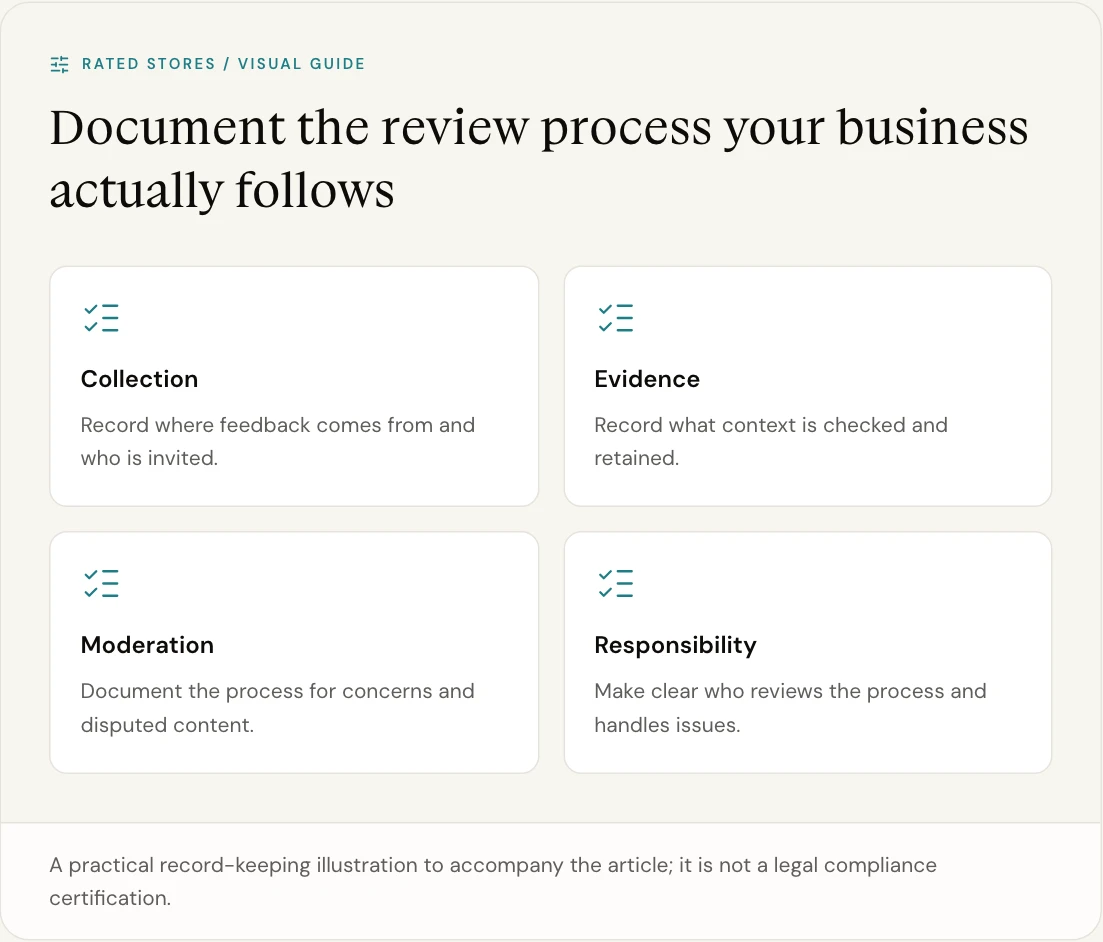
To remain compliant, businesses should:
1. Audit Your Review Sources
Ensure you are not using:
- Third-party fake review providers
- Incentivised undisclosed reviews
- Review gating systems
2. Implement Transparent Verification
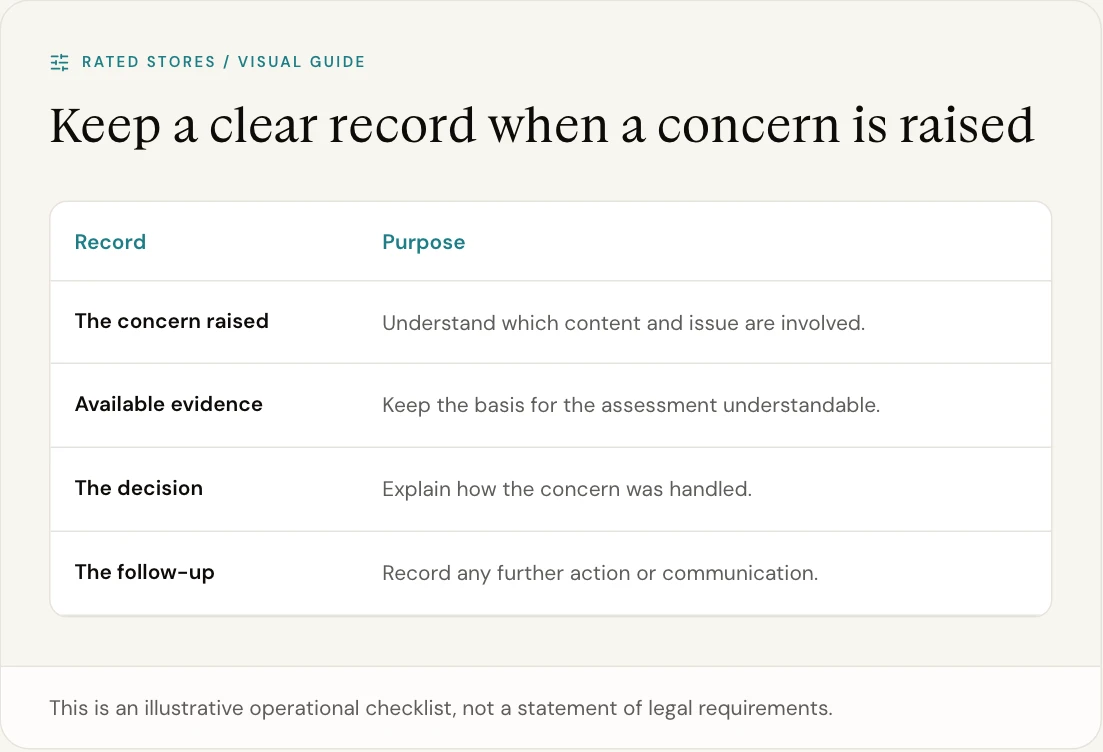
You should be able to:
- Demonstrate review authenticity
- Show how reviews are collected
- Explain your scoring methodology
3. Stop Filtering Negative Reviews
Removing genuine criticism may now be considered deceptive.
How Rated Stores Aligns With the 2026 Ban
Rated Stores was built around review transparency from day one.
No Pay-to-Remove System
Businesses cannot “bury” negative reviews.
Weighted Transparency Algorithm
Scores account for distribution patterns rather than raw averages.
Open Company Listings
Any consumer can leave feedback — no selective invitation system.
This aligns naturally with the new regulatory direction.
The Bigger Shift: From Marketing Tool to Legal Asset
Reviews are no longer just a conversion booster.
They are now:
- A compliance matter
- A regulatory responsibility
- A public trust signal
Businesses that adapt early will build stronger long-term credibility.
Final Thoughts
The UK Fake Review Ban is not a threat — it’s an opportunity.
It rewards:
- Honest businesses
- Transparent review practices
- Fair scoring systems
If your reputation is genuine, you have nothing to fear.
If it isn’t, 2026 will expose it.
Related Pages
- How Review Scores Should Be Calculated
- 50 Online Review Statistics Every Business Owner Should Know in 2025
- Rated Stores vs Trustpilot