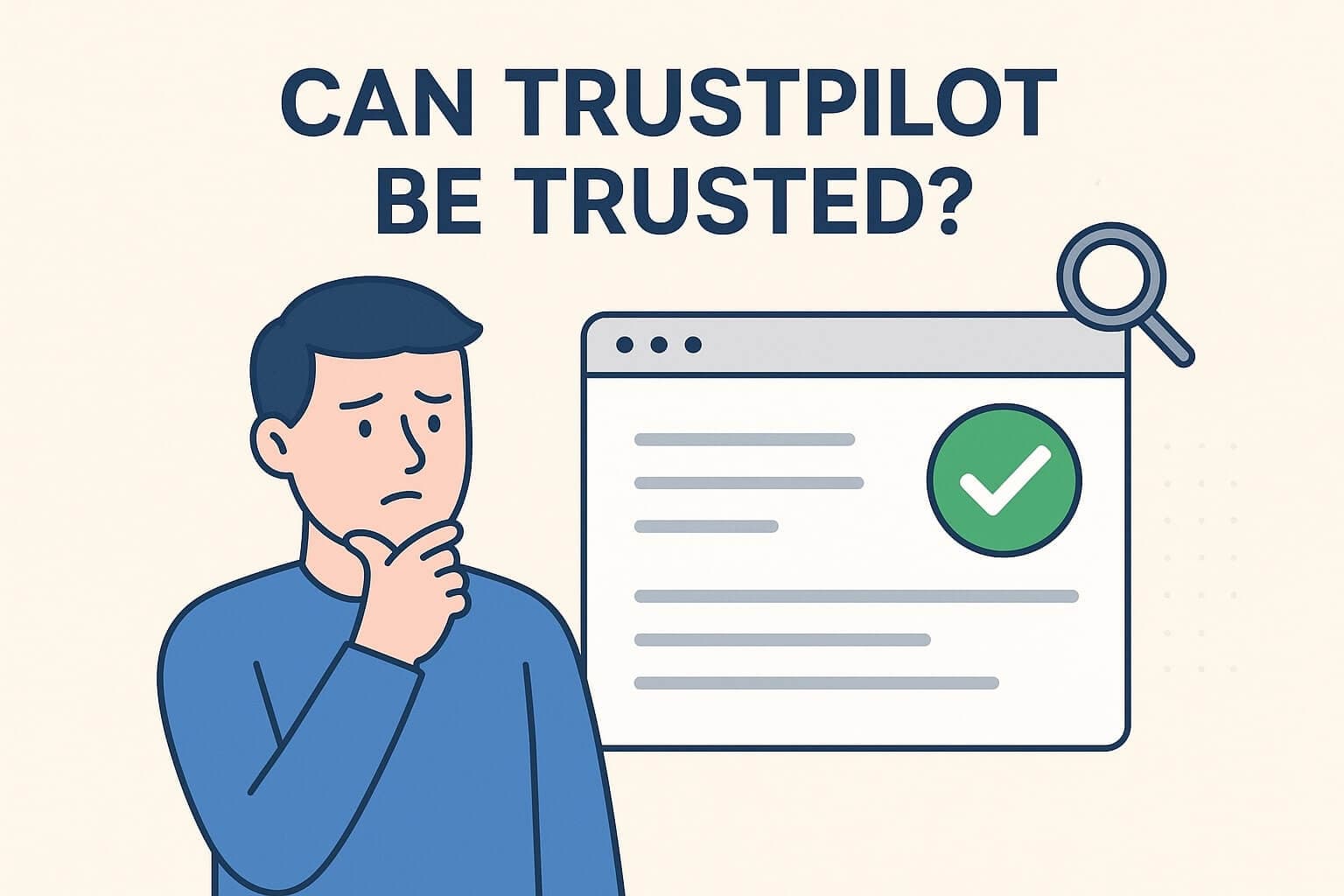
The age of the anonymous review is over. In 2026, consumers have lost faith in unverified feedback. 'Zero-Party Trust' has emerged as the new gold standard, where only those who can prove they bought the product are allowed to influence the score. This article explains how Rated Stores is leading the charge toward a 100% verified web.
By early 2026, the internet had reached a "trust saturation" point. With AI bots capable of mimicking human behavior and "review farms" offering cheap five-star ratings, the average consumer stopped believing anything they read on a public forum.
The solution that emerged is Zero-Party Trust.
What is Zero-Party Trust?
You may have heard of Zero-Party Data (information that a customer intentionally and proactively shares with a brand). Zero-Party Trust applies this same logic to reputation.
It is trust that is not "calculated" by a platform's hidden algorithm or "bought" through marketing, but rather proved through a direct link between a review and a transaction.
The Death of the Anonymous Reviewer
In 2026, the value of an anonymous review has dropped to zero. Major search engines and ad platforms have begun de-prioritizing business profiles that cannot prove the origin of their feedback.
Shoppers now look for the "Proof Chain":
- The Intent: Did they actually need the product?
- The Action: Did a transaction occur?
- The Proof: Can that transaction be verified by an independent third party?
If any link in that chain is missing, the review is discarded.
Rated Stores
Build a reputation customers actually trust.
Collect, verify and showcase genuine reviews — start free, no card required.
Get Started Free →How Rated Stores Implements Zero-Party Trust
At Rated Stores, we’ve moved beyond simple email verification. Our 2026 framework is built on three levels of Zero-Party verification:
1. API-Level Order Matching
Through our direct integrations with Shopify, Etsy, and WooCommerce, we match every review request to a unique Order ID in real-time. This ensures that the person leaving the feedback is exactly who they say they are.
2. Cryptographic "Buyer Keys"
When a customer completes a purchase, a unique, one-time "Buyer Key" is generated. This key allows them to post a review that is permanently linked to that transaction on the Rated Stores ledger, preventing "double-posting" or bot manipulation.
3. Visual Verification
In 2026, a photo is no longer enough—it must be a verified photo. Our system uses metadata analysis to ensure that product photos were taken at the time and location consistent with the delivery, adding an extra layer of Zero-Party proof.
Why This is a Win for Small Businesses
For honest, high-quality businesses, Zero-Party Trust is a massive advantage. It levels the playing field. No matter how much a larger competitor spends on "reputation management" agencies, they cannot manufacture genuine purchase history.
In a Zero-Party world, the best product always wins.
Final Thoughts
We are moving toward an internet where "trust" is a hard currency, not a marketing slogan. As we progress through 2026, the platforms that survive will be those that realize the consumer is done with "maybe." They want "definitely."
Zero-Party Trust isn't just a trend; it's the only way forward.
Explore more:
Keep reading
Should I Buy Trustpilot Reviews? The Legal and Commercial Risks
Buying Trustpilot reviews can trigger legal, platform and reputational consequences. Here is what businesses should do instead.
Read article →
How to Respond to a Fake Review of Your Business
A calm, practical process for documenting, reporting and publicly responding to a review you believe is fake.
Read article →
Your Rights as a Reviewer: Online Reviews and UK Consumer Law
What UK law says about fake reviews, your right to leave honest feedback, and what businesses can and cannot do about your review.
Read article →